Debunking Roofing Myths: Separating Fact from Fiction to Protect Your Home

Debunking Roofing Myths: Separating Fact from Fiction to Protect Your Home
From "a little leak is no big deal" to "you only need a new roof after a major storm," there's a surprising amount of misinformation floating around about residential roofing. As your trusted local roofing experts in Central New York , we're here to set the record straight. Understanding the truth behind common roofing myths isn't just about knowledge; it's about protecting your biggest investment and avoiding costly mistakes that can compromise your home's integrity and value. Let's debunk some of these widespread roofing misconceptions and equip you with the facts you need.
Myth vs. Fact: Common Roofing Misconceptions You Need to Know
Knowing the difference between common roofing myths and the actual facts can save you thousands of dollars and countless headaches. Myth 1: "You can just patch any roof leak, it’s a quick fix."
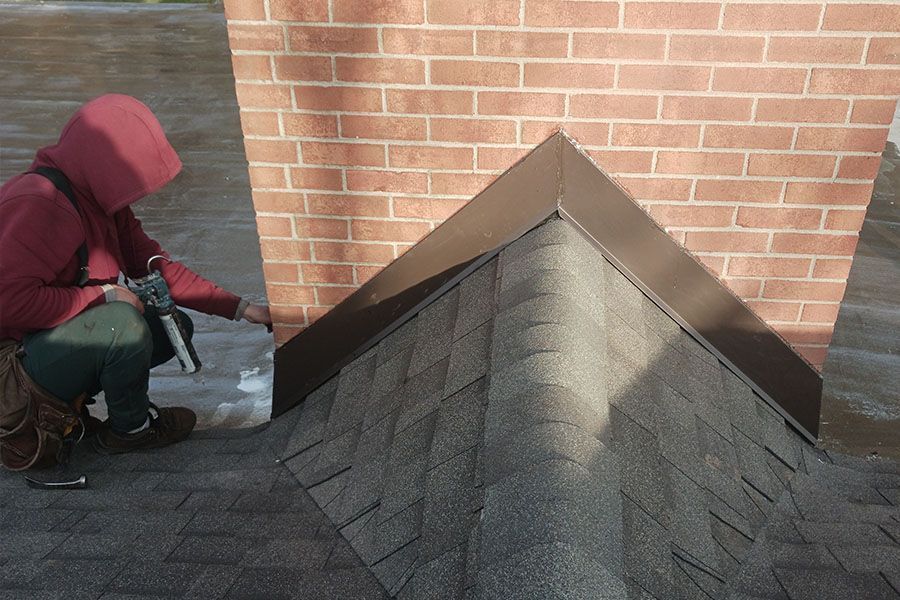
- Fact: While small patches can sometimes provide a temporary fix for a minor leak, they rarely address the root cause. A leak often indicates a larger underlying issue, such as widespread shingle damage, compromised flashing, or deteriorated underlayment. Simply patching without a professional assessment can lead to water penetrating your attic, causing hidden damage like mold growth, wood rot, and structural decay that could go unnoticed for months or even years. For lasting peace of mind and true protection, a thorough inspection and proper repair by a qualified roofing contractor is essential.
Myth 2: "My home insurance will cover a new roof just because it’s old or worn out."
- Fact: Unfortunately, this is a common misconception that can lead to disappointment. Homeowners insurance typically covers sudden, accidental damage (e.g., damage from severe storms, hail, fallen trees, or sudden incidents), not gradual deterioration due to age, lack of maintenance, or normal wear and tear. Maintaining your roof with regular inspections and addressing minor issues promptly is crucial for prolonging its lifespan and ensuring that your insurance is there for you when true accidental damage occurs. Always check your specific policy details and consider a professional roof inspection to assess your roof's condition.
Myth 3: "All roofers are pretty much the same, so I should just go with the cheapest quote."
- Fact: This myth can lead to disastrous outcomes. The quality of a roofing job varies significantly depending on the contractor's experience, skill, and commitment to proper techniques and materials. Choosing the cheapest option often means compromising on quality, leading to shortcuts, subpar materials, and inadequate warranties. Always prioritize licensed, insured, and reputable roofing companies with a proven track record. Look for local reviews, ask for references, inquire about their insurance and licensing, and confirm their warranty offerings for both labor and materials. A reputable local roofing company will provide transparent quotes and stand behind their work.
Myth 4: "Power washing my roof will clean it perfectly and make it look new."
- Fact: While power washing might seem like an easy way to clean algae or moss off your roof, it's often more harmful than helpful. High-pressure washing can severely damage asphalt shingles by blasting away the protective granules (which defend against UV rays and provide fire resistance), forcing water underneath the shingles, and potentially compromising the roof's integrity. This can lead to premature aging, leaks, and voided warranties. Instead, consult with roofing professionals about safe and recommended roof cleaning methods , such as low-pressure chemical cleaning designed specifically for roofing materials.
Myth 5: "I don't need a professional roof inspection unless I see an obvious problem, like a leak."
- Fact: Many serious roofing problems develop slowly and are not visible from the ground or even from inside your attic until they've become severe. Damage from minor hail, high winds, or gradual wear can go unnoticed for years, quietly compromising your roof's protective capabilities. Annual roof inspections by a certified professional are crucial. These proactive checks can identify minor issues early on, allowing for timely, less expensive roof repairs before they escalate into major, costly roof replacement projects. Think of it like regular oil changes for your car – preventative care extends its life and prevents breakdowns.
Why Debunking These Myths Matters for Your Home
Understanding these crucial facts empowers you as a homeowner to make informed decisions about your roof's care. It highlights the importance of proactive maintenance, choosing the right professionals, and understanding your insurance coverage. Your roof is a complex system, and treating it with the knowledge it deserves will ensure it continues to protect your family and your investment for decades to come.
Don't Guess, Get the Best in Central New York
Don't let roofing myths put your home at risk. At [Your Company Name], we're committed to providing honest, expert advice and high-quality workmanship for all your residential roofing needs, from roof repair to new roof installation . If you have questions about your roof, suspect an issue, or simply want a professional assessment, contact us today for an honest evaluation and expert guidance in Central New York .